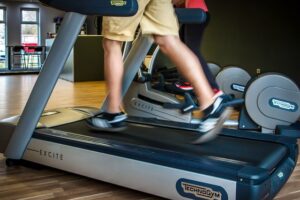
As we journey past the half-century mark, staying active becomes increasingly important – yet simultaneously more challenging. Many of us face the frustrating reality of joints that aren’t quite as forgiving as they once were. The good news? You don’t need to sacrifice cardiovascular fitness to protect aging joints, hips, and ankles. Low-impact cardio offers the perfect solution for maintaining heart health without wear and tear.

Why low-impact exercise matters after 50
When we talk about “impact” in exercise, we refer to the force exerted on your joints when your body connects with the ground or equipment. High-impact activities like running can place stress equivalent to 2-3 times your body weight on your joints with each step. For those of us with arthritis, previous injuries, or simply the natural joint changes that come with age, that’s a recipe for pain and potential injury.
Low-impact workouts provide cardiovascular benefits while minimizing these forces. They keep at least one foot on the ground or support your body weight, reducing jarring movements that aggravate sensitive joints. The result? You can improve your heart health, burn calories, and boost your mood without the aftermath of aching joints.
Top low-impact cardio workouts for the vital years
1. Walking
Don’t underestimate the humble walk! Walking remains one of the most accessible and effective forms of low-impact cardio available. To maximize benefits:
- Aim for a brisk pace that elevates your heart rate
- Add inclines or hills for increased intensity
- Try interval walking by alternating between faster and slower segments
- Consider Nordic walking with poles to engage more muscle groups
Walking outdoors provides the added benefits of vitamin D exposure and connection with nature, both known mood boosters that contribute to exercise adherence.
2. Swimming & water workouts
Water exercise is the ultimate low-impact workout. The buoyancy of water supports about 90% of your body weight, dramatically reducing stress on joints. In contrast, the water’s resistance provides an excellent cardiovascular challenge.
Beyond traditional swimming laps, consider:
- Water aerobics classes (many pools offer senior-specific sessions)
- Deep water running with a flotation belt
- Aqua jogging in shallow water
- Water-based resistance training with aqua dumbbells
The natural resistance of water makes these exercises particularly effective for building strength while protecting joints.
3. Cycling options
Cycling offers tremendous cardiovascular benefits with minimal joint stress. Options include:
- Outdoor cycling on flat, predictable surfaces.
- Stationary bikes (recumbent bikes provide added back support).
- Pedal exercisers that can be used while seated in a comfortable chair.
For those with balance concerns, stationary options eliminate the risk of falls while providing similar benefits to road cycling.
4. Elliptical training
Elliptical machines brilliantly mimic the motion of running without the impact. Your feet never leave the pedals, creating a smooth, gliding motion that’s gentle on joints while providing an excellent workout. Many machines also include movable handles to engage your upper body, creating a more complete workout.
5. Rowing
Rowing machines offer a full-body, low-impact workout that’s highly efficient. The seated position minimizes stress on weight-bearing joints while engaging roughly 86% of your muscles. Start with short sessions and proper form instruction, as technique matters for preventing back strain.
6. Dancing
Dance-based workouts like Zumba Gold (designed specifically for older adults) combine fun with fitness. Many instructors offer modified movements that eliminate jumps and high-impact steps while maintaining the cardiovascular benefits and joy of movement.
Creating your low-impact routine
The ideal approach combines several types of low-impact cardio for balanced fitness and to prevent overuse injuries. Consider these guidelines:
- Start with 10-15 minutes if you’re new to exercise.
- Gradually build to 150 minutes of moderate activity weekly (the recommendation for adults from the American Heart Association)
- Monitor your intensity using the “talk test” – you should be able to speak in short sentences but not sing.
- Include at least two days of strength training weekly to support joint health.
- Allow 48 hours between intense sessions of the same activity.
Listen to your body
While some muscle soreness is normal when beginning or intensifying any exercise program, pain is different. Sharp, sudden, or persistent pain signals something’s wrong. The old fitness adage “no pain, no gain” doesn’t apply to our vital years – instead, think “train, don’t strain.”
Remember that consistency trumps intensity for long-term health benefits. A moderate exercise program you can maintain for years will consistently outperform an aggressive routine that leads to injury and inactivity.
By incorporating these joint-friendly cardio options into your routine, you can maintain cardiovascular health, manage weight, improve mood, and enhance overall quality of life – all while protecting your irreplaceable joints. Your heart will thank you, your joints will thank you, and the active, vibrant life you maintain will be its own reward.