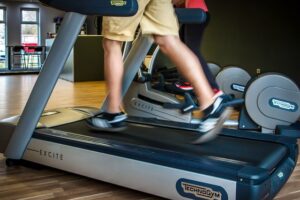
Starting a fitness routine after 50 doesn’t require expensive gym memberships or complicated equipment. Walking remains one of the most accessible and effective forms of exercise for seniors, offering cardiovascular benefits, improved balance, and enhanced mental well-being. However, success depends heavily on having the right gear, particularly proper walking shoes for seniors and reliable tracking devices.

The Foundation: Choosing Walking Shoes for Seniors
Quality walking shoes for seniors differ significantly from regular sneakers. As we age, our feet undergo changes, including decreased padding, altered gait patterns, and potential conditions such as arthritis or diabetes that can affect circulation. The right footwear addresses these specific needs while preventing injury and maximizing comfort.
When selecting walking shoes, prioritize cushioning in both the heel and forefoot areas. Look for shoes with adequate arch support that matches your foot type, whether you have flat feet, high arches, or normal arches. The toe box should provide ample room to prevent pressure on bunions or hammertoes, common issues among older adults.
Stability features are crucial in walking shoes for seniors. Select shoes with a firm heel counter that cradles the back of your foot, preventing excessive rolling. A slightly wider base can improve balance, while a low heel-to-toe drop promotes a natural walking motion that reduces stress on joints.
Material considerations matter significantly. Breathable mesh uppers prevent moisture buildup and reduce the risk of fungal infections. At the same time, flexible yet supportive construction allows natural foot movement. Avoid shoes that require a “break-in” period, as properly fitted walking shoes for seniors should feel comfortable immediately.

Top Features to Seek
Motion control elements benefit seniors with overpronation, while those with rigid feet may prefer shoes with neutral cushioning. Consider shoes with removable insoles if you use custom orthotics prescribed by a podiatrist. Velcro closures or elastic laces can assist those with arthritis or limited dexterity.
Replace walking shoes for seniors every 300-500 miles or when the tread shows significant wear. Many seniors underestimate their walking volume, making regular replacement essential for maintaining proper support and cushioning.
Essential Pedometer Features for Senior Walkers
Modern pedometers and fitness trackers offer valuable motivation and progress monitoring for senior walkers. Simple step counters work well for beginners who want basic feedback without overwhelming technology. Look for devices with large, easy-to-read displays and intuitive button layouts.
Advanced features worth considering include heart rate monitoring, which helps seniors stay within safe exercise zones. GPS tracking allows for route mapping and distance accuracy beyond simple step counting. Many devices now offer gentle reminders to move, encouraging consistent activity throughout the day.
Battery life becomes crucial for seniors who may forget daily charging routines. Choose devices offering at least five days of use per charge. Water resistance protects against rain and perspiration, while smartphone connectivity enables family members to monitor progress for safety and encouragement.
Budget-Friendly Options
Quality walking shoes are available across a range of prices. Mid-range options often provide the best value, offering necessary support features without premium pricing. Many manufacturers offer senior discounts or Medicare coverage for diabetic footwear when a healthcare provider prescribes it.
For pedometers, basic models under $30 are effective in tracking steps and distance. Smartphone apps offer free alternatives, although dedicated devices often provide superior battery life and ease of use for seniors who are less comfortable with technology.
Starting Your Walking Program
Begin with 10-15 minute walks in your new walking shoes for seniors, gradually increasing duration and intensity. Proper footwear reduces the risk of injury, while pedometer feedback motivates you to reach daily goals. Start with achievable targets, such as 3,000 steps per day, and gradually build toward the commonly recommended 10,000 steps.
Remember that consistency matters more than intensity. Quality walking shoes for seniors and a reliable pedometer form the foundation for a sustainable fitness routine that can significantly improve health, independence, and overall quality of life.
Some of the links in this article are affiliate links, which means we may earn a small commission if you make a purchase through them—at no extra cost to you. In fact, by using these links, you may even receive exclusive discounts or special offers. We only recommend products and services we trust and believe will bring value to our readers. Thank you for supporting our work!