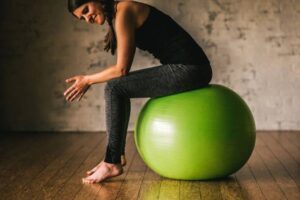
As we navigate the journey past 50, maintaining good balance becomes increasingly crucial for our independence and overall quality of life. Balance isn’t just about avoiding falls—though that’s certainly important—it’s fundamental to everything from walking confidently to performing everyday tasks with ease. The good news? Balance is a skill that can be improved at any age with the right exercises and consistent practice.

Why balance matters more after 50
Our balance system is remarkably complex, integrating input from our eyes, inner ears, and proprioceptors (sensors in our muscles and joints that tell us where our body is in space). Unfortunately, all these systems naturally decline with age. By our 50s and beyond, we may notice:
- Diminished muscle strength, particularly in the core and legs
- Reduced joint flexibility
- Changes in vision
- Slower reflexes and reaction times
- Vestibular system changes affecting our sense of equilibrium
These natural changes don’t have to limit your activity or independence. With targeted balance exercises, you can maintain—and even improve—your stability well into your later years.
Simple balance exercises to start with
1. Single-leg stance
The basic balance exercise that delivers surprising benefits:
- Stand tall near a counter or sturdy chair for support if needed
- Lift one foot slightly off the ground, balancing on the other leg
- Hold for 10-30 seconds, depending on your ability
- Switch legs and repeat For added challenge: try holding with your eyes closed (keep support nearby!)
Aim to practice this daily, gradually increasing your time as your balance improves.
2. Heel-to-toe walking
Channel your inner tightrope walker with this simple exercise:
- Stand with your heel directly in front of the toes of your opposite foot
- Take a step forward, placing your heel directly in front of the toes of your other foot
- Continue for 15-20 steps, using a wall or furniture for support if necessary
This exercise improves dynamic balance—the kind you need while in motion—and strengthens the stabilizing muscles in your feet and ankles.
3. Clock reach
This exercise enhances both balance and mobility:
- Imagine standing in the center of a clock face
- Hold onto a chair with your left hand for support
- Lift your right foot slightly and extend your right arm to “reach” to different hours on the clock
- Return to center between each reach
- Switch sides after completing all “hours”
Start with the largest movements (12, 3, 6, and 9 o’clock) before trying the angles in between.
Building a stronger foundation
Balance depends heavily on leg and core strength. These exercises pull double duty:
4. Sit-to-stand
This functional movement strengthens the exact muscles needed for stability:
- Sit in a sturdy chair with feet hip-width apart
- Stand up without using your hands (if possible)
- Lower back to a seated position with control
- Repeat 10-15 times
For an easier version, use your hands for assistance. For a challenge, slow down the movement or hold a light weight.
5. Heel and toe raises
Strengthen your ankles—the foundation of good balance:
- Stand behind a chair or counter for support
- Rise onto your tiptoes, hold briefly, then lower with control
- Next, lift your toes while keeping heels on the ground
- Repeat each movement 10-15 times
These simple movements strengthen the muscles surrounding your ankles, improving stability and reducing fall risk.
6. Modified plank
Core strength is essential for balance, and this beginner-friendly plank is perfect:
- Begin on hands and knees
- Walk hands forward slightly and lower to forearms if comfortable
- Tuck toes under and lift knees just a few inches off the floor
- Hold for 10-30 seconds while breathing normally
- Lower knees to rest, then repeat 3-5 times
As you get stronger, you can gradually increase the height of your hips or extend to a full plank position.
Adding dynamic challenges
Once you’ve mastered the basics, try these more advanced balance exercises:
7. Standing weight shifts
- Stand with feet hip-width apart
- Slowly shift your weight to one side, lifting the opposite foot slightly
- Control the movement back to center
- Shift to the other side
- Continue for 1-2 minutes, focusing on smooth transitions
8. Tai Chi movements
Tai Chi is renowned for improving balance in older adults. Even simple movements from this ancient practice can help:
- Try the “parting the wild horse’s mane” movement
- Focus on slow, controlled weight shifts from one leg to another
- Maintain proper alignment with knees over toes
Many senior centers and community programs offer Tai Chi classes specifically designed for older adults.
Making balance practice safe and effective
When working on balance, safety comes first:
- Always have a stable support nearby (counter, sturdy chair, or wall)
- Wear non-slip, supportive shoes
- Clear your practice area of tripping hazards
- Start with simpler exercises before progressing
- Consider working with a physical therapist or qualified trainer initially
Consistency is key
Balance improvement happens with regular practice. Even 10-15 minutes of balance exercises daily can make a significant difference. Consider integrating brief balance challenges throughout your day:
- Practice single-leg standing while brushing your teeth
- Do heel raises while waiting for coffee to brew
- Try heel-to-toe walking down a hallway
By making balance exercises part of your daily routine, you’re investing in continued mobility, independence, and confidence. Your future self will thank you for the time spent improving this essential skill today.
Have you noticed changes in your balance as you’ve gotten older? Which of these exercises will you try first? Remember that improvement takes time, but with consistent practice, better balance is absolutely achievable at any age.